
The Art of Critique in a Digital World
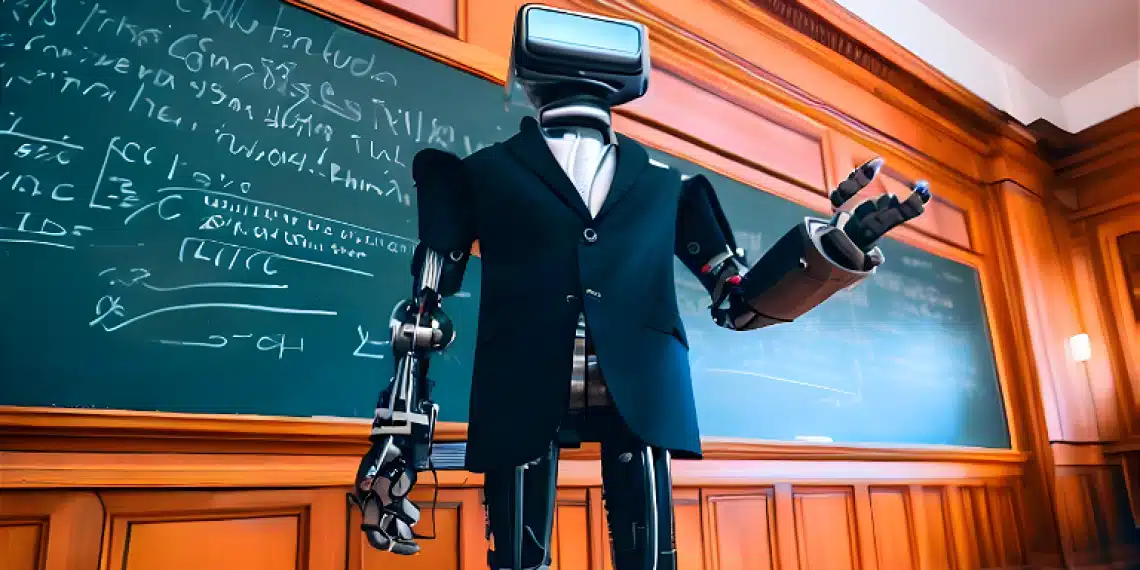
In the rapidly evolving digital landscape, critiquing the ideas of others requires both depth and nuance. Take, for example, the concept of artificial intelligence in education—a widely debated topic. From a technical perspective, some argue that AI tutors can revolutionize learning by providing personalized experiences. While this perspective highlights innovation, a critique enriched by interdisciplinary insights might point out the psychological and social implications of replacing human educators with machines. Drawing from educational theory, one could argue that human interaction fosters critical thinking and emotional growth in ways that AI struggles to replicate. Meanwhile, insights from philosophy might question the ethics of relying on algorithms to shape young minds. These layers of critique reflect the importance of examining digital concepts through diverse lenses.
An interdisciplinary critique also encourages collaboration and reflection. Consider the digital representation of climate data, such as in simulation models. Engineers might praise the accuracy of these tools, yet environmental scientists may argue that no simulation can capture the complexity of real ecosystems. From an artistic perspective, the visualization of such data could be critiqued for its lack of emotional resonance, which might limit public engagement. By bringing together insights from multiple disciplines, critiques not only become more comprehensive but also pave the way for innovation. The process isn’t about dismissing ideas; it’s about challenging them to evolve. In a digital world, that ability to critique thoughtfully is as valuable as the technology itself.