
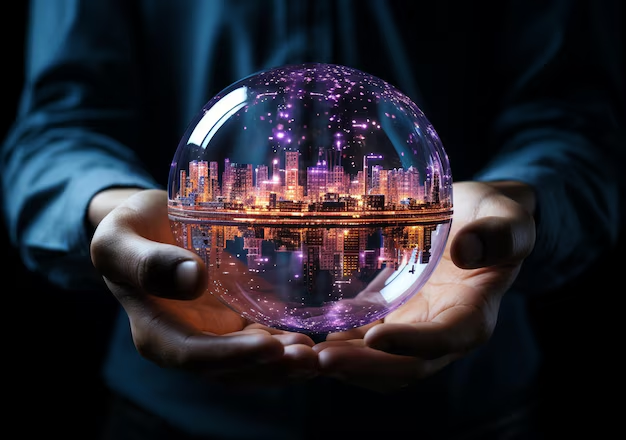
Limitations of a digital representation in a historical and modern context.
Digital representation has brought incredible opportunities, but it’s not without its complexities. Looking back in history, digitizing artifacts and documents has been a game-changer for preserving materials that might otherwise crumble with time. It opens up access to people around the world, letting them explore museum collections, ancient manuscripts, and more without the need to travel. It’s like breathing new life into history—making it more reachable and relatable for future generations.
That said, there’s a trade-off. A digital copy can never quite capture the feel of holding something ancient in your hands, the texture of parchment, or the smell of a weathered book. It also depends on how the representation is created—personal biases or limited resources can influence what gets digitized and how it’s presented.
Fast forward to today, and digital representation is central to how we live, work, and collaborate. It allows us to share knowledge, create connections, and push boundaries. Technologies like virtual reality let us step into immersive environments that feel almost real. But challenges are still in play. Not everyone has equal access to this digital world, creating a gap that’s hard to ignore. Plus, with how quickly technology evolves, ensuring digital formats stay usable over time can be tricky.
So, while digital representation opens doors, it comes with its own hurdles. It’s about finding the right balance to preserve history and embrace modern innovation, all while making sure no one gets left behind.